I carry a worn field-guide copy of Printable Direct Deposit Form Bmo in my kit, ready for payroll emergencies. This page explains what the form does, who uses it, and how to fill it cleanly so deposits arrive on time. Keep this copy handy during onboarding, audits, or when a bank changes its routing.
Fieldwork in payroll shows that a printable form is a reliable backup when digital systems stall. The Printable Direct Deposit Form Bmo serves as a clear, physical record that employees can fill and return. It travels through HR, then to the payroll processor, reducing misreads and rework while staying easy to audit at year-end.
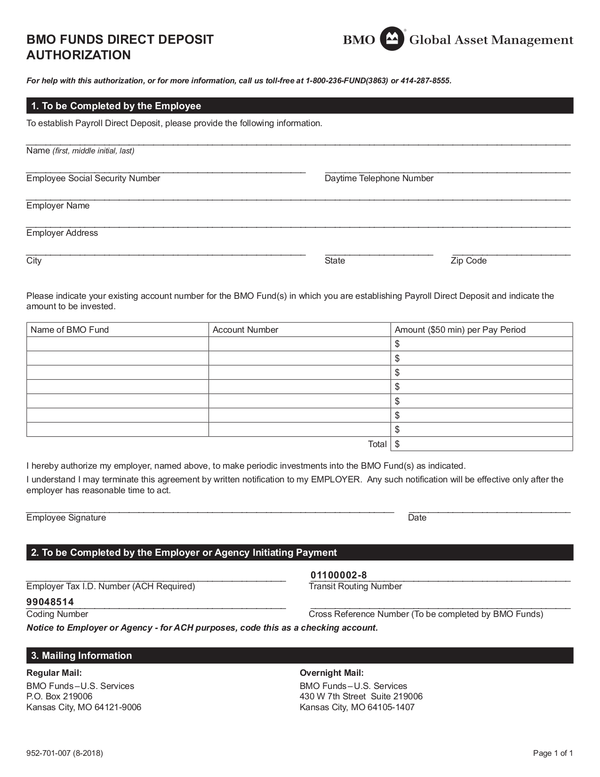
What it is
Look for fields such as the employee name, the employer name, routing number, account number, and account type. Some forms also ask for a signature and a date, which seals the agreement to direct funds. In practice, choose a bold, legible layout and test print on plain paper to confirm readability before distributing.
Who uses it
Field users range from new hires to seasoned contractors, and from small shops to large offices. HR departments keep copies for onboarding, while employees carry the form to the bank or submit it to payroll. For Bank of Montreal clients, a ready-to-print option helps standardize how deposits are set up across teams and time zones.
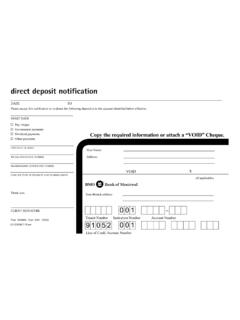
Practical use starts with legibility. Fill in each field, then verify the routing and account numbers twice before signing. If you’re printing for multiple employees, keep a master checklist to ensure every page is complete and dated. Hand the completed forms to payroll secure, and retain a personal copy for reference. When a detail changes, replace the form promptly.
Over time, a well-used Printable Direct Deposit Form Bmo becomes part of your household and office routines. Pair it with a simple record-keeping plan and a quick onboarding checklist to keep deposits predictable. Store digital backups and print as needed, remembering to protect sensitive banking data during handling and transport.